All Art Mediums Are Important, All Art Mediums Are Needed
Have you ever noticed that you favour certain works more due to the medium in which they are presented? You walk into a space expecting paintings, and instead encounter a performance. You pass a photography exhibition and think, it’s just a photo, anyone can take one. These reactions are common, and they reveal something important: we often judge mediums by familiarity rather than by what they are capable of communicating. As the title suggests, all mediums are necessary, and that is because mediums are not neutral. They are storytelling tools, each suited to certain kinds of meaning. Here are three often overlooked art forms and why they remain essential to how art speaks.
Photography
Since its invention in nineteenth-century France, photography has been questioned, dismissed, and misunderstood. Because we all carry cameras in our pockets, the medium is often mistaken for something simple or, worse, something automatic. But photography does something painting cannot: it captures the world with an immediacy that defies interpretation — it records presence. It holds light, gesture, and expression in a way that no other medium can fully replicate. This is precisely why it took time to be recognised by collectors. It was only in the 1970s, through figures such as curator Sam Wagstaff, that photography entered the serious art market and institutional space. What defines photography as an artistic medium is not its ease, but its honesty; even when manipulated, it remains anchored to reality.
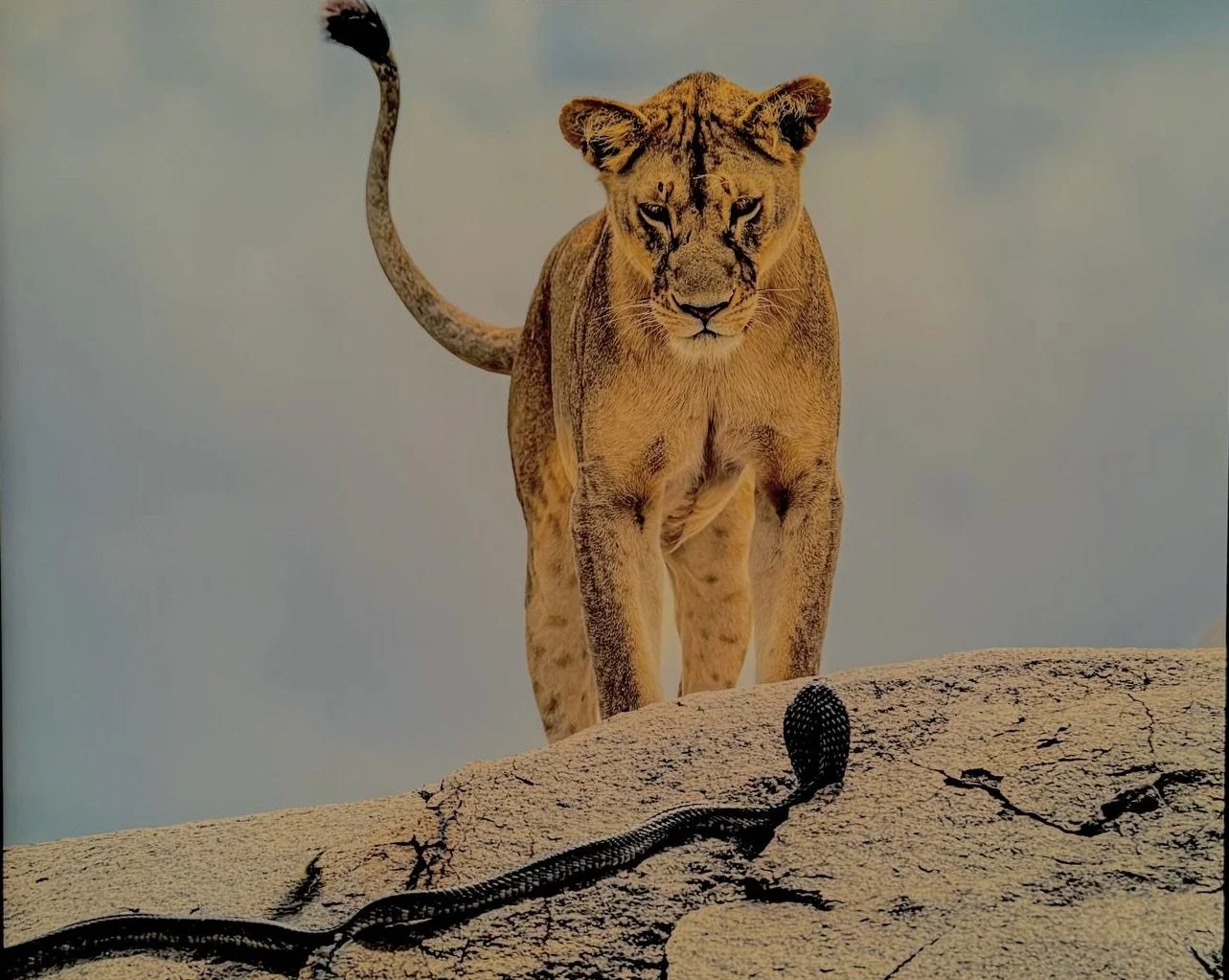
Gabriella Comi, Wake-up Call (2025), installation view, Wildlife Photographer of the Year 61, Natural History Museum, London, 2026. Photo: Art & Butter.
Performance Art
Performance art exists only in time. It requires the presence of both artist and viewer, and that is what gives it its intensity. Unlike objects that can be revisited endlessly, performance demands attention in the moment. You either witness it, or you don’t. This medium often feels uncomfortable because it dissolves the distance between art and life. The body becomes the artwork, movement becomes meaning, and emotion is shared rather than observed. Performance art reminds us that art does not need to be permanent to be powerful, but it needs to be felt.
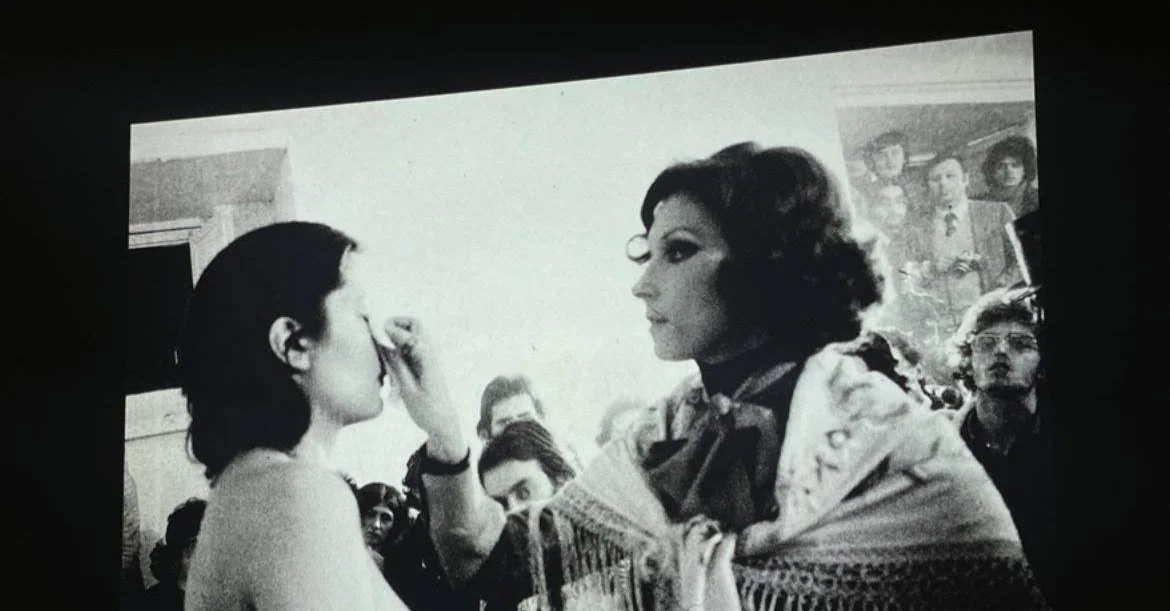
Marina Abramović, Rhythm 0 (1974), installation view, Marina Abramović, Royal Academy of Arts, London, 2023. Photo: Art & Butter.
Sound Art
Sound art is perhaps the most misunderstood of all. Often built from noise, vibration, and silence, it lacks the visual clarity people expect from art. And yet, sound reaches us faster than sight. It bypasses analysis and goes straight to the nervous system. We live in sound: music, voices, rhythm, noise and sound art simply reframes that reality. It creates atmosphere, memory, and emotion in ways that images cannot. When done well, it doesn’t show you something; it places you somewhere.
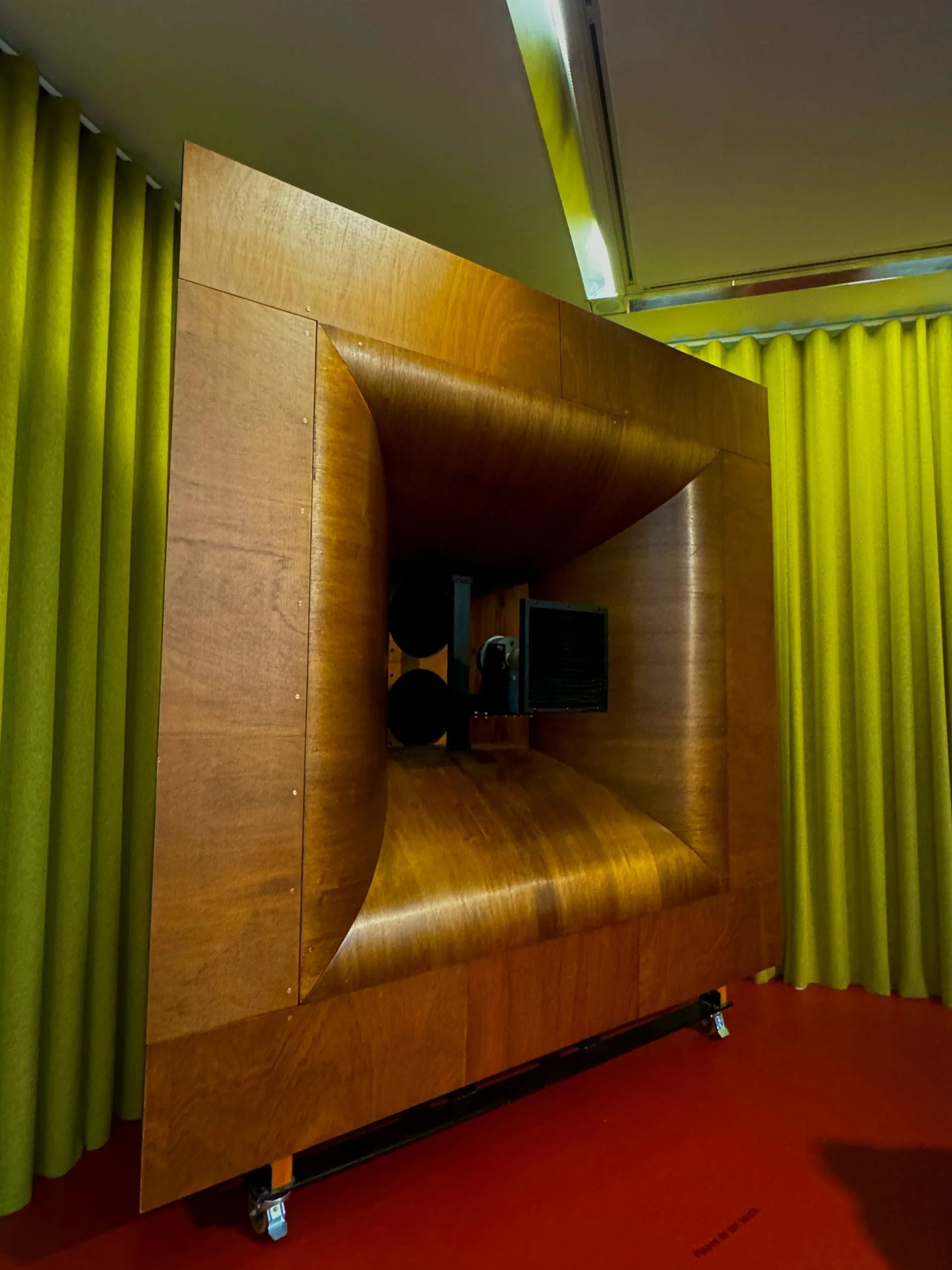
Peter Doig, House of Music, installation view, Serpentine South, London, 2026. Photo: Art & Butter.
Each medium carries meaning differently, and none exists to replace the other. Art needs variety because human experience is varied, and the more ways we allow stories to be told, the more deeply we learn how to listen.