
The Beauty of Curatorial Practice — and Why It Matters
The art of the late 19th and 20th centuries is deeply intertwined with the history of its exhibitions. After the Second World War, Western societies began devoting greater attention and resources to contemporary art, often incorporating it into their cultural identity. Within this context, the role of the curator began to change.
By the late 1960s, curators were no longer simply caretakers of collections. They increasingly positioned themselves as active producers of exhibitions, inviting artists to participate in projects and constructing displays around specific ideas. Curators began combining artistic and scholarly approaches, and the concept of the curatorial gradually developed its own formats, methods, and aesthetics.
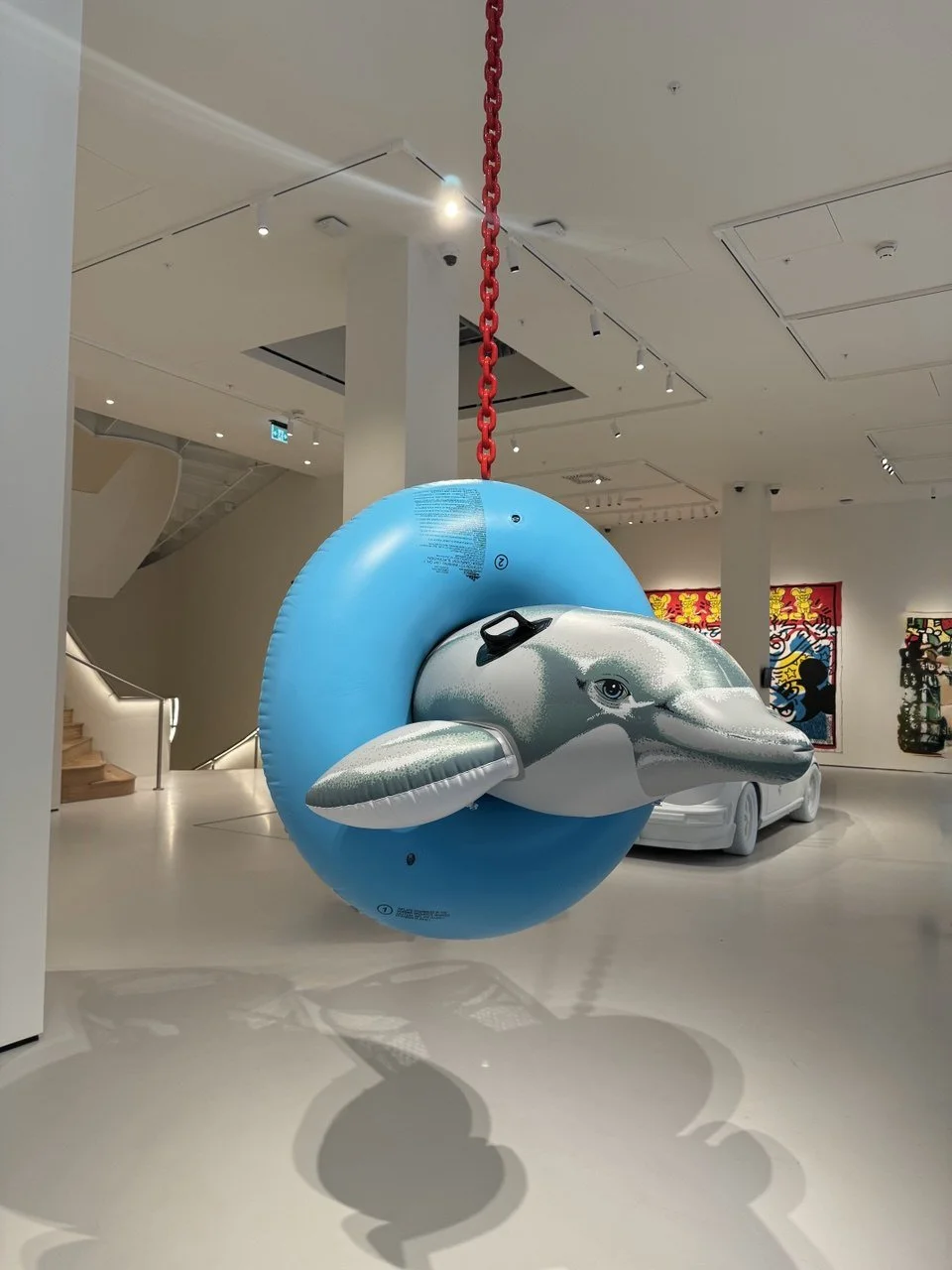
Jeff Koons, Dolphin Taz Trashcan (2007-2011), installation view, Moco Museum, 2024. Photo: Art & Butter.
Yet when we enter an exhibition space, we rarely think about the curatorial decisions that shape what we see. Visitors are often captivated by the artworks themselves, without realising that the way those works are arranged and the relationships created between them significantly influence how they are understood.
Curators provide context, ideas, and conceptual frameworks that guide how audiences encounter art. During the 1960s and 1970s, many curators began to adopt the role of an “author,” arranging exhibitions thematically and experimenting with new exhibition formats. These approaches were particularly important for presenting artistic movements that required new ways of interpretation.
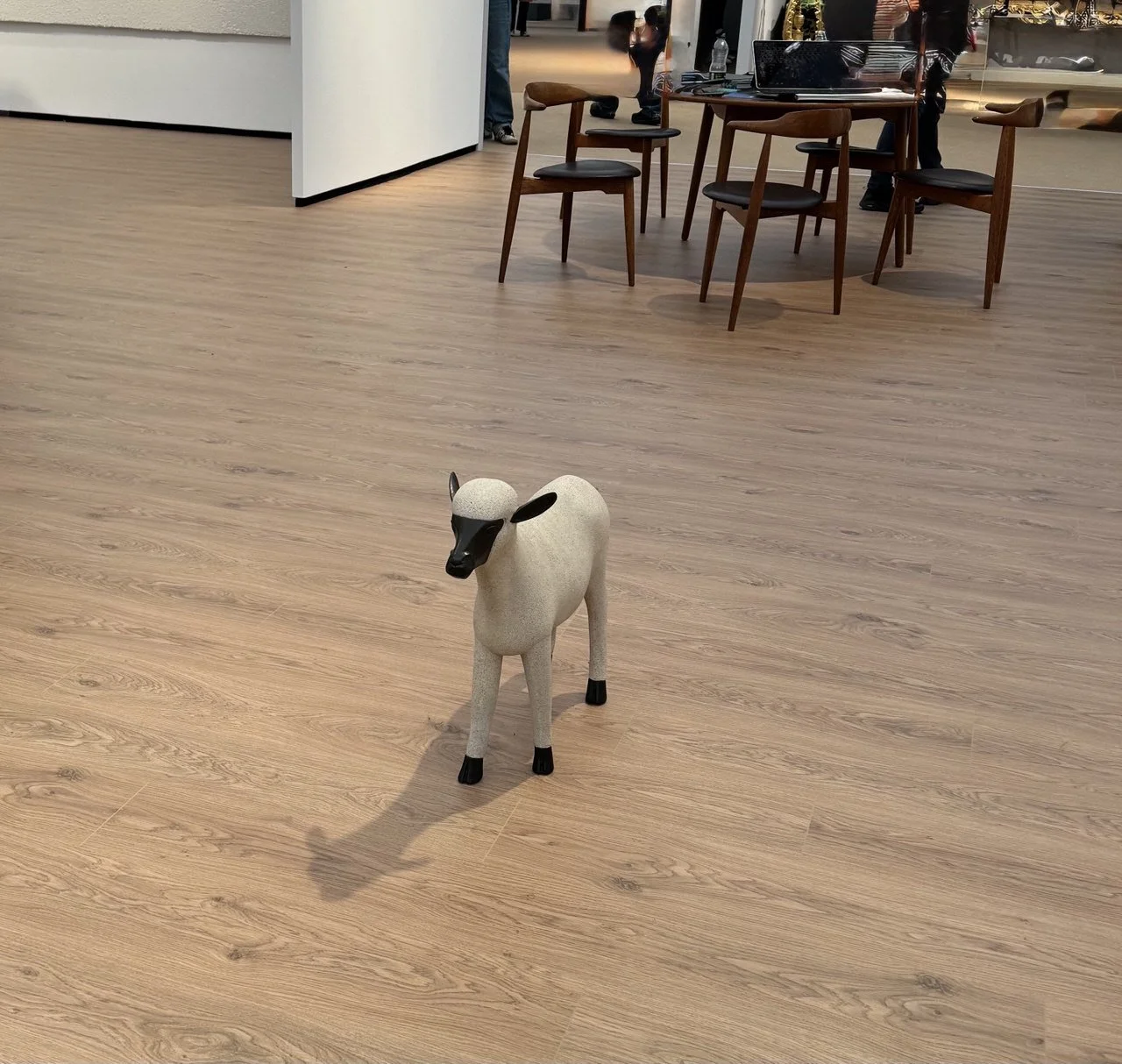
François‑Xavier Lalanne, Agneau (1997), from the Nouveaux Moutons series, installation view, Frieze London, 2024. Photo: Art & Butter.
Curatorial practice, therefore, does more than simply displaying artworks. It constructs meaning. Works that might initially appear simple or difficult can become sources of interpretation when placed within a thoughtful curatorial framework.
At the same time, interpretation ultimately remains in the hands of the audience. Visitors bring their own experiences, expectations, and knowledge to an exhibition, meaning that no two encounters with art are ever exactly the same.
Today, curating extends far beyond the act of arranging objects in a gallery. It includes producing exhibitions, developing public programmes, shaping cultural narratives, and engaging audiences in new ways. In this sense, curatorial practice has become not only a profession but also a creative form of cultural production.