
The Redefining Role of Artistic Spaces and the Experience Economy
In 1998, Pine and Gilmore introduced the concept of the experience economy, arguing that consumers were increasingly seeking memorable experiences rather than simply purchasing goods or services. According to the authors, individuals began to value “time well spent,” paying businesses not only for products but for meaningful moments and staged experiences.
The value of such experiences became even more visible during the COVID-19 pandemic, when digital platforms became the primary space through which consumers accessed cultural and social activities. As daily life moved online, the habits of engaging with digital environments simplified access to experiences and enabled new forms of participation from home. In response, businesses that had traditionally focused on providing services began to rethink how they engage with audiences, adapting to expectations of comfort, accessibility, and interaction shaped during the pandemic.
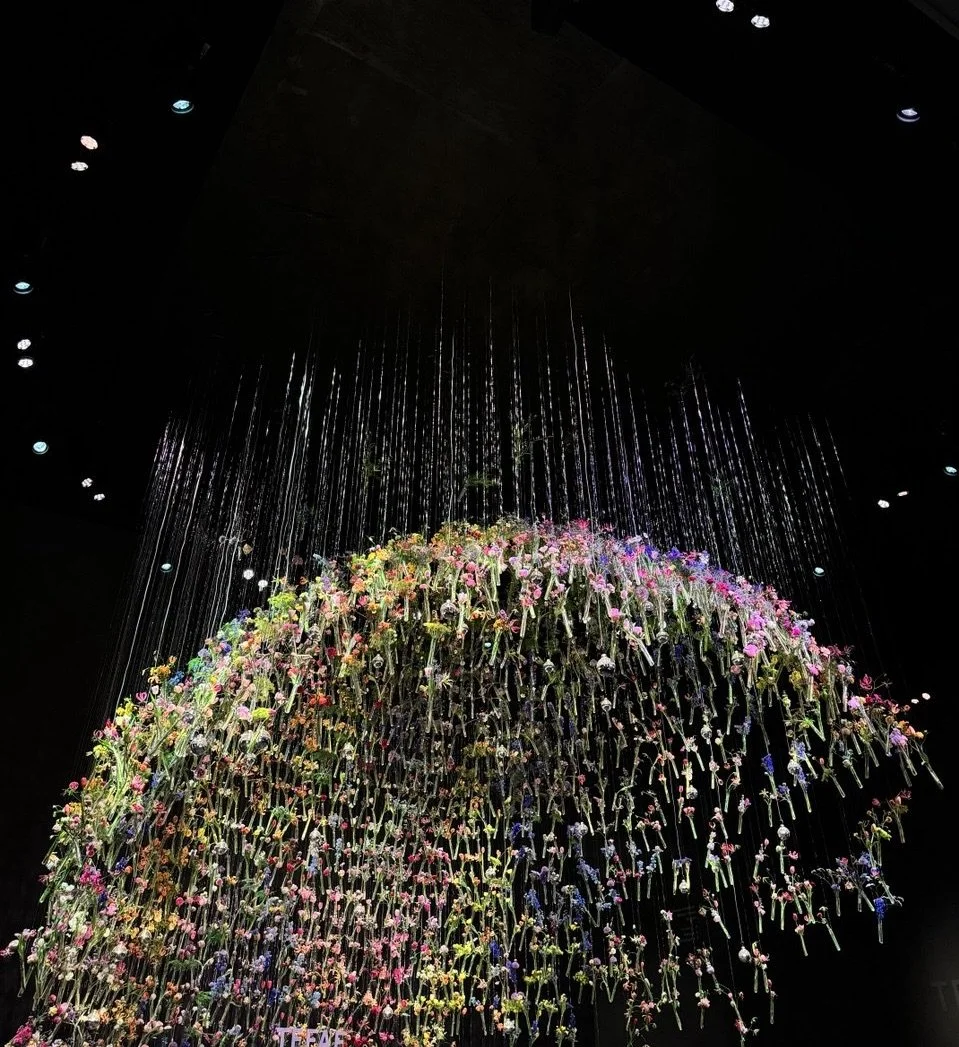
Floral installation, installation view, TEFAF Maastricht, 2025. Photo: Art & Butter.
Art institutions, particularly museums, are among the sectors most closely associated with the experience economy. Museums primarily provide experiences by staging encounters with art objects. Through the display of artworks and curatorial narratives, they shape knowledge and interpretation, guiding visitors’ learning and understanding. However, as expectations surrounding cultural consumption evolve, the role of museums within the experience economy has also begun to shift.
Today, museums increasingly function as multifunctional cultural spaces that offer a variety of engaging experiences. Visitors arrive with diverse motivations, expectations, and prior knowledge, all of which influence how they interpret and learn from what they encounter. Because experiences arise from the interaction between the staged environment and the visitor’s individual perspective, visitors cannot experience an exhibition in exactly the same way.
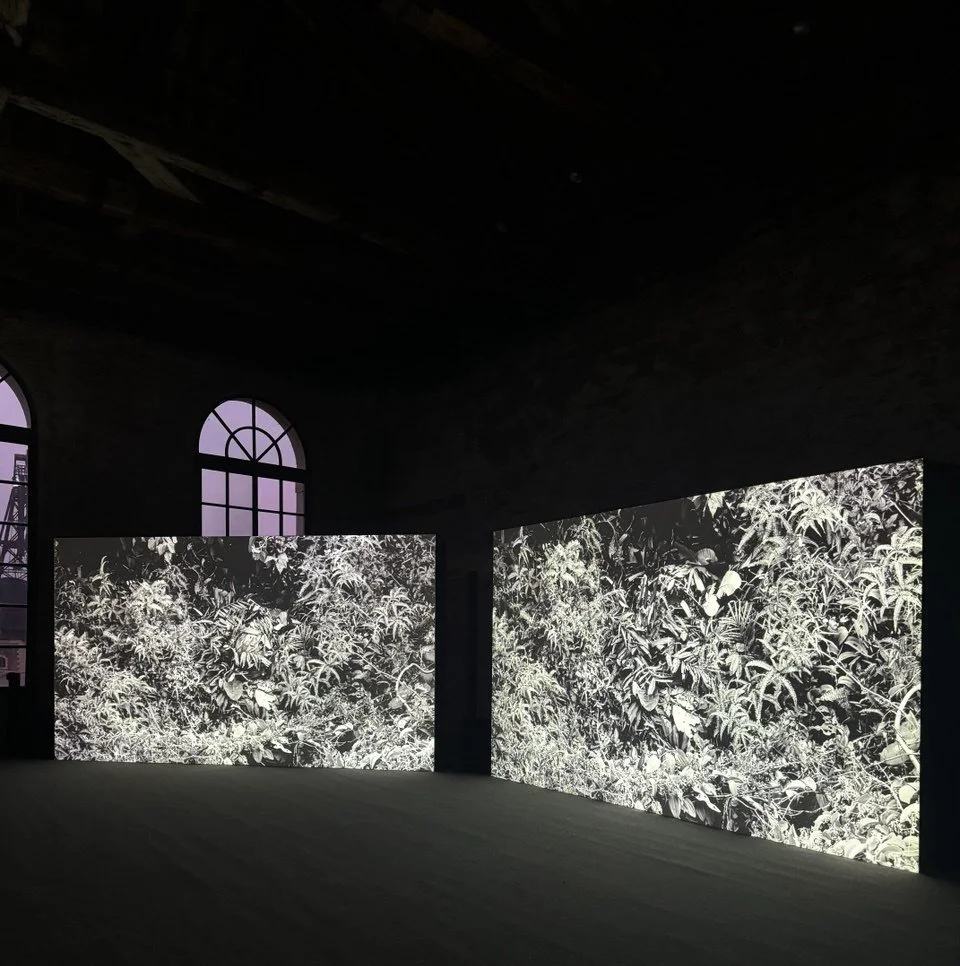
Installation view, Venice Biennale 2025. Photo: Art & Butter.
Learning and entertainment in museum contexts should not be seen as opposing forces, but rather as a “both-and” phenomenon rather than an “either-or” one. When museums adopt this approach, they are able to create environments where visitors can construct personal meaning while simultaneously being entertained and intellectually stimulated.
Consequently, many cultural institutions have expanded their programming beyond traditional exhibitions. Museums now host a range of events, including fashion shows, performances, themed evenings, and interdisciplinary collaborations, which allow visitors to engage with the space in new ways. Through these initiatives, museums redefine their role within the experience economy, transforming from places of passive viewing into dynamic environments for cultural engagement.