
What Is a Freeport, and Why Does the Art World Use It?
A painting can be bought, sold, and stored for decades without ever officially entering the country where it is kept. It may sound surprising, but this is exactly how a freeport works.
A freeport is a highly secure storage facility located within a country's customs zone where goods can be stored without being subject to import duties or taxes, provided they do not officially enter the domestic market. The word "free" refers to an exemption from local customs duties and taxes rather than unrestricted access. Today, major freeports operate in places such as Luxembourg, Singapore, Switzerland, and China, housing everything from fine art and jewellery to precious metals, wine, and luxury collectables.
For the art market, freeports offer a practical solution for collectors, galleries, and museums. High-value artworks can be safely stored in climate-controlled environments, protected from damage while remaining available for private viewings, loans, or future sales. Collectors with extensive holdings may also use freeports simply because they lack the space to display every work they own.
One of the defining features of a freeport is that artworks can change ownership without physically leaving the facility. A prospective buyer can view a work in a private viewing room, complete the purchase electronically, and transfer ownership while the artwork simply moves from one storage unit to another. Since the artwork has not entered the host country's economy, local import duties and taxes generally do not apply. Any tax obligations instead depend on the laws of the buyer's and seller's home jurisdictions.
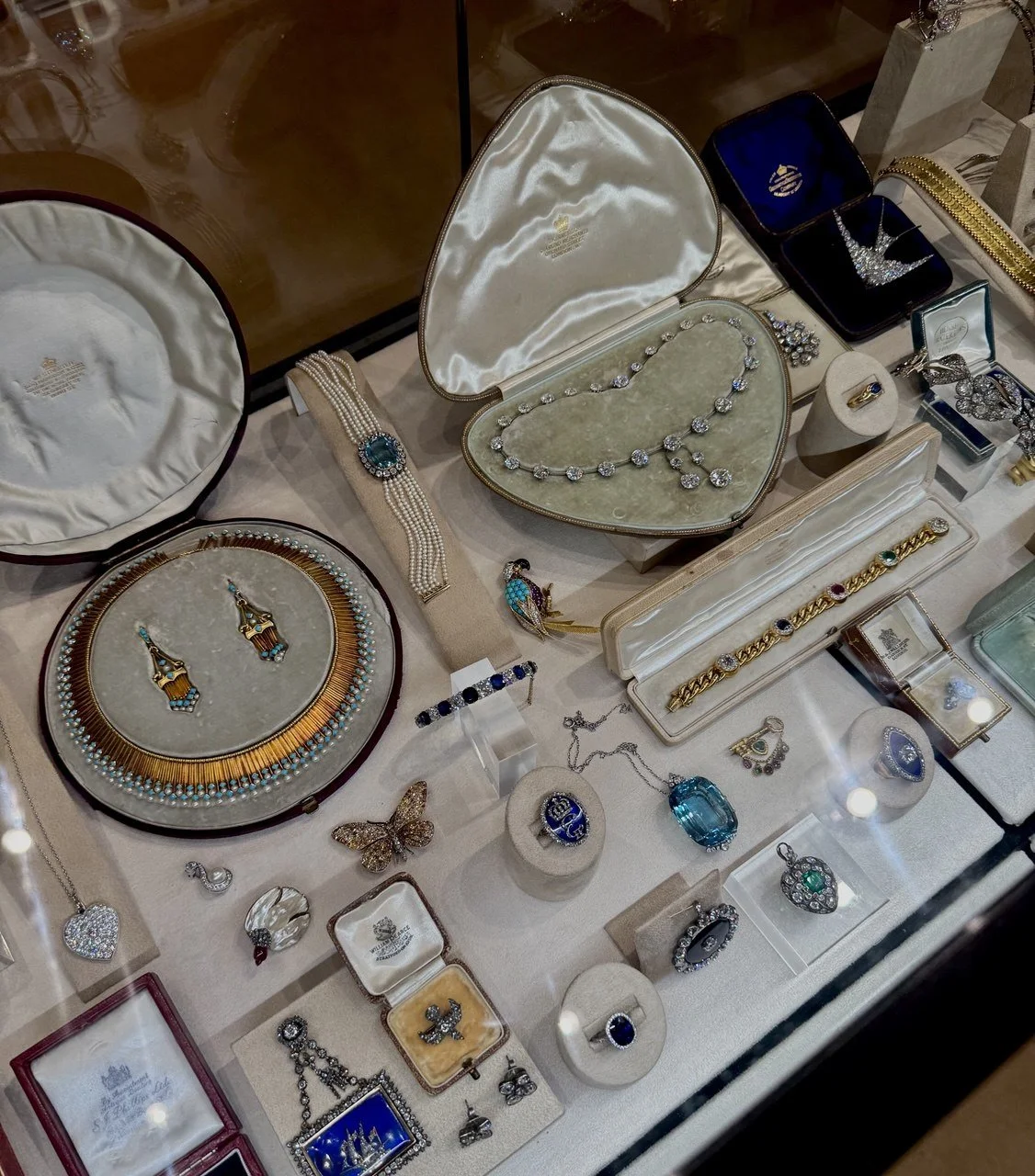
Installation view, Treasure House Fair, 2026. Photo: Art & Butter.
This efficiency has made freeports an important part of the global art market, allowing artworks to circulate internationally while reducing the logistical costs of transport, customs procedures, and repeated handling.
However, freeports have also generated considerable debate. Because artworks can remain in storage for many years and ownership may change privately, critics argue that these facilities can reduce market transparency and make it more difficult to trace provenance, ownership, or financial transactions. In response, many freeports have strengthened compliance procedures, requiring documentation, client identification, and cooperation with customs authorities to improve oversight.
Looking ahead, new technologies may further transform how freeports operate. Blockchain, the digital ledger technology best known for supporting cryptocurrencies, has been proposed as a way to securely record provenance, ownership history, and transaction records. If widely adopted, blockchain could allow artworks stored in freeports to be bought and sold digitally while maintaining a transparent and verifiable record of their history.
Freeports remain one of the art world's most fascinating infrastructures. Part warehouse, part vault, and part marketplace, they reveal how artworks today function not only as cultural objects but also as globally mobile assets operating within an increasingly interconnected international market.