
Why Material Matters: Rethinking Art Through Materiality
In contemporary art, material is no longer just a means to create an object, but it is the message itself. The shift from representation to materiality marks a fundamental change in how art communicates, moving away from purely visual interpretation toward embodied, sensory experience.
Materiality invites us to encounter art physically before we understand it intellectually. We see it, touch it, move around it, and only then begin to interpret it. This sequence matters. Aesthetic understanding often begins with the material presence of the work before developing into meaning through reflection. In other words, we don’t just look at art anymore; we experience it.
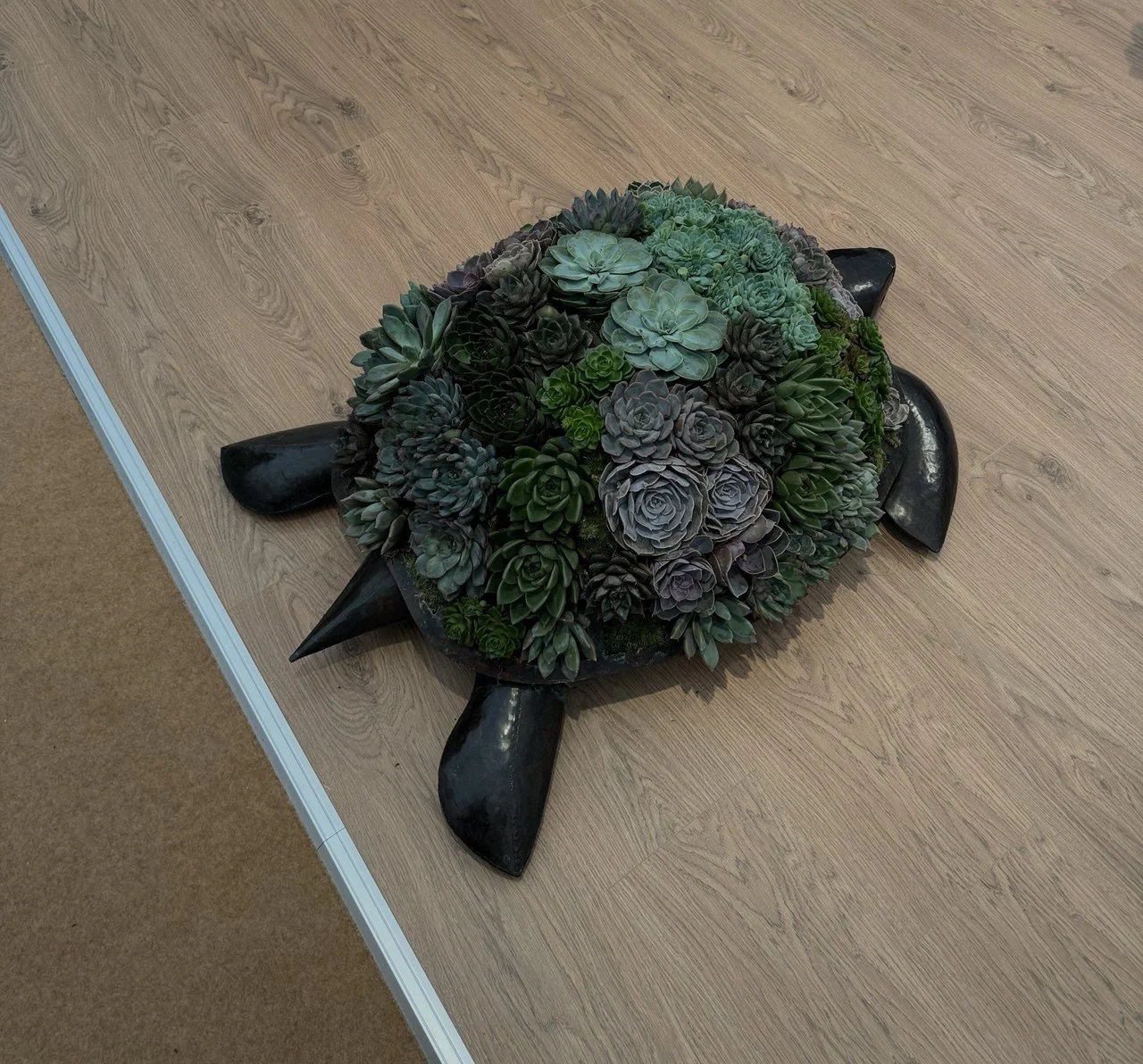
François‑Xavier Lalanne, Tortue Topiaire (2003), from the Nouveaux Moutons series, installation view, Frieze London, 2024. Photo: Art & Butter.
This is particularly important when art engages with complex, abstract issues. Many of today’s global challenges exist on a scale that is difficult to grasp directly. They are distant, gradual, or invisible. Materiality becomes a bridge between abstraction and reality, translating these large-scale concerns into something immediate and tangible. By encountering materials in real space, the viewer is confronted with a physical trace of something otherwise intangible.
What makes materiality powerful is its ability to activate the body. It engages multiple senses, including sight, touch, and even temperature and smell, creating a deeper emotional and psychological response. This sensory engagement often produces a form of awareness that is more lasting than purely informational or visual communication. Rather than being told what to think, the viewer feels it.

Installation view, TEFAF Maastricht, 2025. Photo: Art & Butter.
At the same time, materiality introduces a tension between permanence and transformation. Some materials remain stable, acting as constant reminders, while others change over time, melting, decaying, or shifting. This instability mirrors the fragility of the conditions they often refer to, reinforcing the urgency of the message.
Ultimately, materiality reframes the role of art. It is no longer simply about representation, but about creating situations in which viewers confront reality through physical experience. In doing so, art moves closer to life itself, not as an image of the world, but as something that exists within it.