
Why Fashion Belongs in Art Spaces
In recent years, museums and galleries have increasingly begun presenting fashion exhibitions alongside traditional art forms. At first glance, fashion may seem separate from painting or sculpture. Yet clothing, much like art, reflects the social, cultural, and historical realities of the time in which it is created.
One reason fashion fits naturally within artistic spaces is its ability to reveal history. Clothing can act as a visual record of a particular era. Materials, silhouettes, colours, and decorative elements often reflect social values, political climates, and technological developments. In paintings, for example, the garments worn by figures can indicate their social status, profession, or cultural identity. At the same time, certain styles help historians identify the specific period in which an artwork was produced. Fashion exhibitions, therefore, offer a tangible way to understand how people lived, expressed themselves, and perceived their identity in different moments of history.
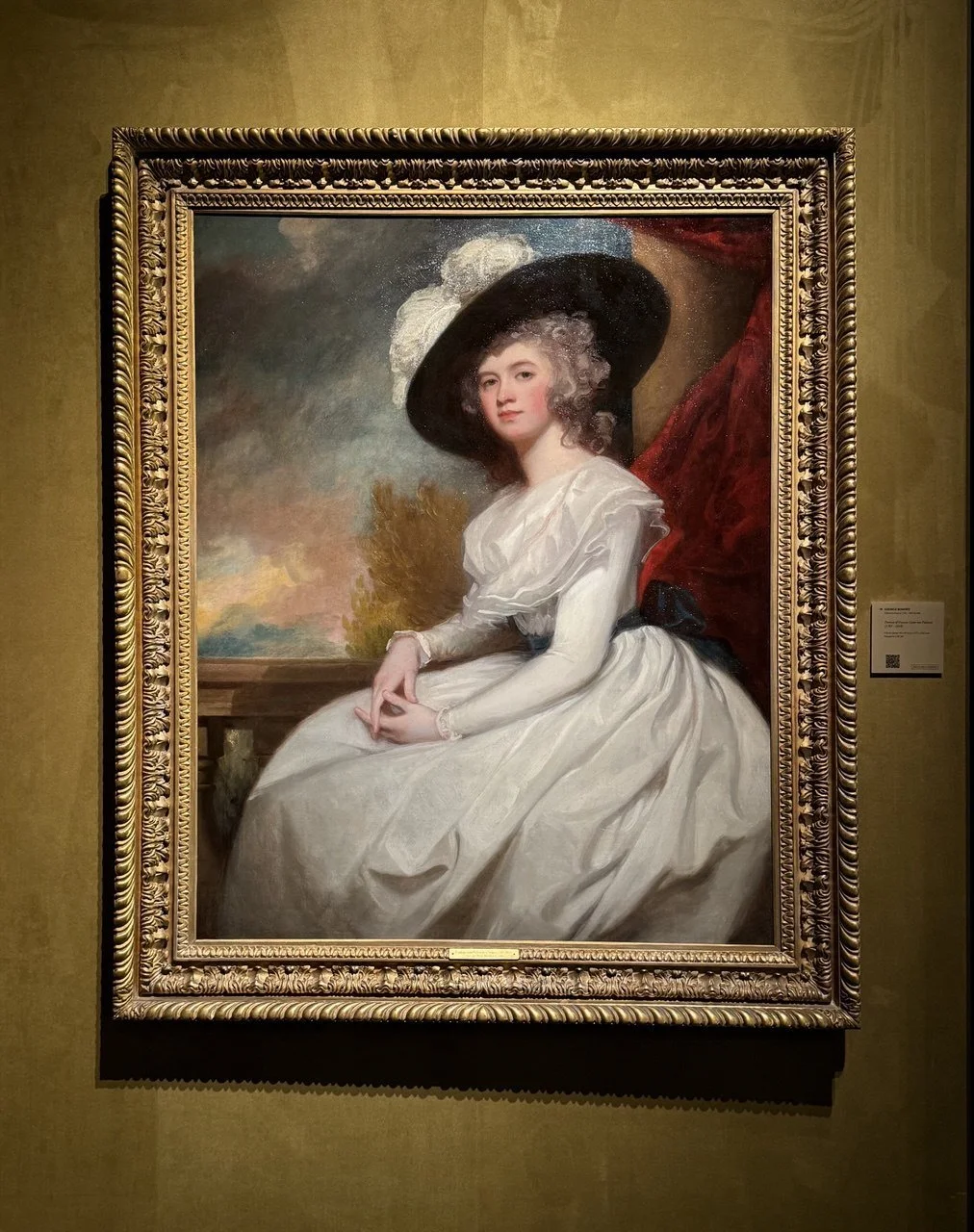
George Romney, Mrs. Bryan Cooke (1787–1791), installation view, TEFAF, 2025. Photo: Art & Butter.
Fashion is also deeply connected to the body. Getting dressed is both a personal and public act. While clothing allows individuals to express their identity, personality, and sense of belonging, it also conveys messages to society. Because of this dual role, garments often reflect broader cultural conversations around gender, power, and social norms.
Throughout history, shifts in fashion have often mirrored larger social transformations. Changes in political structures, economic developments, and cultural movements frequently reshape the way people dress. For example, periods of social change tend to challenge established norms of appearance, allowing new forms of self-expression to emerge. Clothing can therefore become a site where tradition and innovation meet.
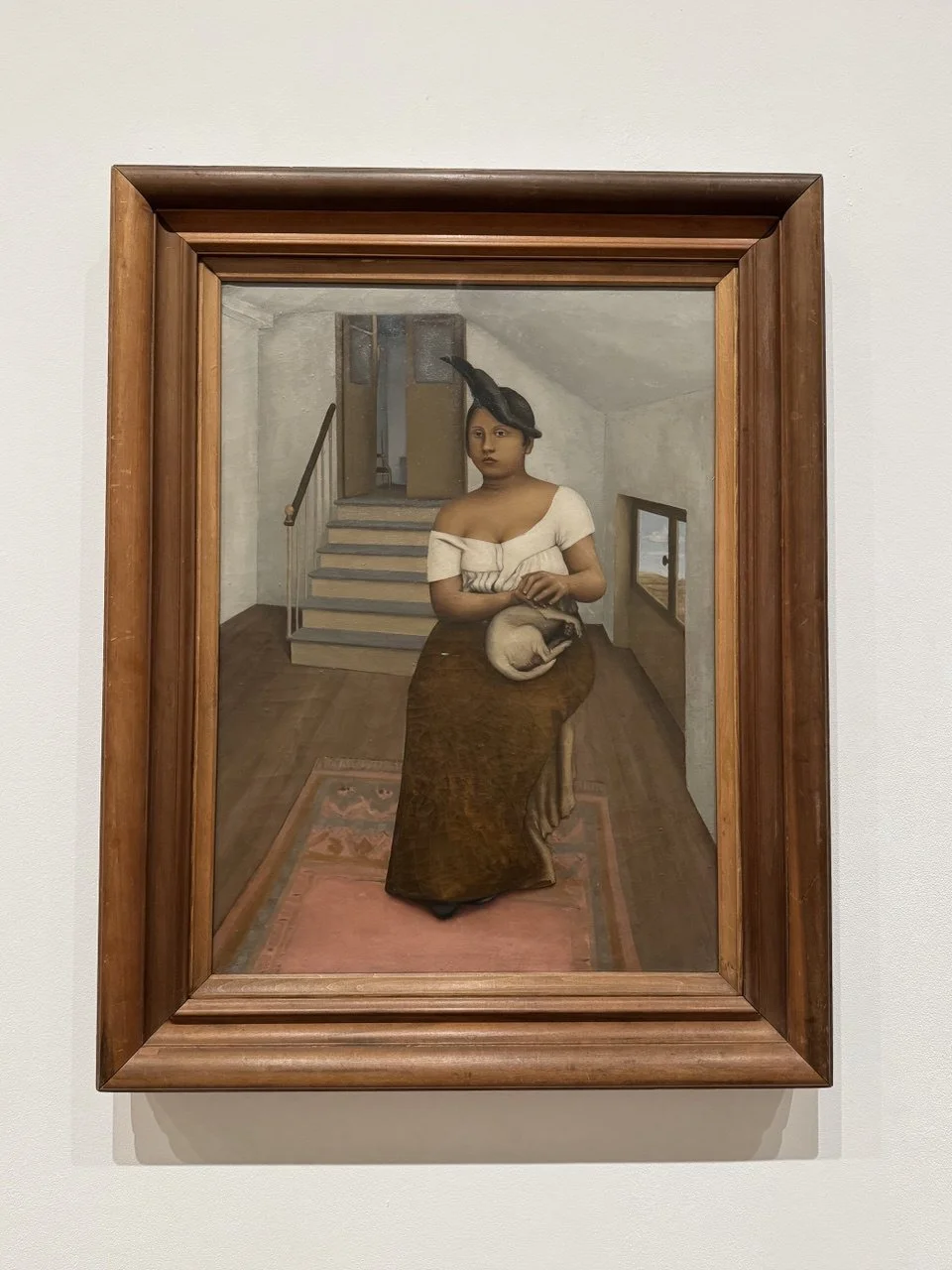
Meraud Guevara, Seated Woman with Small Dog (1939), installation view, Tate Modern, 2024. Photo: Art & Butter.
Another important aspect of fashion is its relationship with the past.
Fashion rarely appears completely new. Instead, designers often reinterpret historical silhouettes, fabrics, or symbols and adapt them to contemporary contexts. In this way, fashion constantly creates a dialogue between past and present, demonstrating how historical ideas continue to influence modern culture.
Because of these qualities, fashion can be understood not only as clothing but also as a cultural language. Like other artistic mediums, it communicates ideas, challenges conventions, and reflects the complexities of society.
When fashion enters the museum space, it invites viewers to look beyond aesthetics and consider garments as objects of cultural meaning. By doing so, it becomes clear that fashion is not simply about style—it is about history, identity, and how societies choose to represent themselves.