
Ian Waelder Vásquez
Period - Ultra-Contemporary
Context - Contemporary installation exploring memory, biography, language, and the material traces of personal and collective histories
Cultural Signal - Reconsidering how memory is stored, accessed, and experienced through objects, architecture, and the body
Medium - Photography, sculpture, sound, installation, painting
Language - Archival fragments, found objects, repetition, spatial interventions, intimate narratives, minimal forms, embodied memory
Spanish artist Ian Waelder Vásquez (b. 1993) lives and works between Frankfurt and Mallorca. Working across photography, sculpture, sound, painting, and installation, Waelder transforms everyday objects, archival materials, and architectural spaces into subtle reflections on memory, biography, and human experience. Rather than presenting history as something fixed, his works suggest that memory is fragmented, incomplete, and constantly reconstructed through personal encounters with places, objects, and language.
His recent solo exhibition, Zungen (Tongues), offers a compelling example of this approach. Developed around the idea of memory as something both physical and psychological, the exhibition invites visitors to navigate spaces that mirror the ways recollections are stored, forgotten, and rediscovered. A lowered ceiling requires viewers to crouch before encountering photographs documenting a plant that has grown alongside the artist since the day of his birth, subtly connecting bodily movement with the passage of time. Throughout the exhibition, repeated objects, such as shoelaces transformed into sculptural forms, become quiet carriers of memory, suggesting that even the most ordinary materials can accumulate emotional significance through repetition and lived experience.
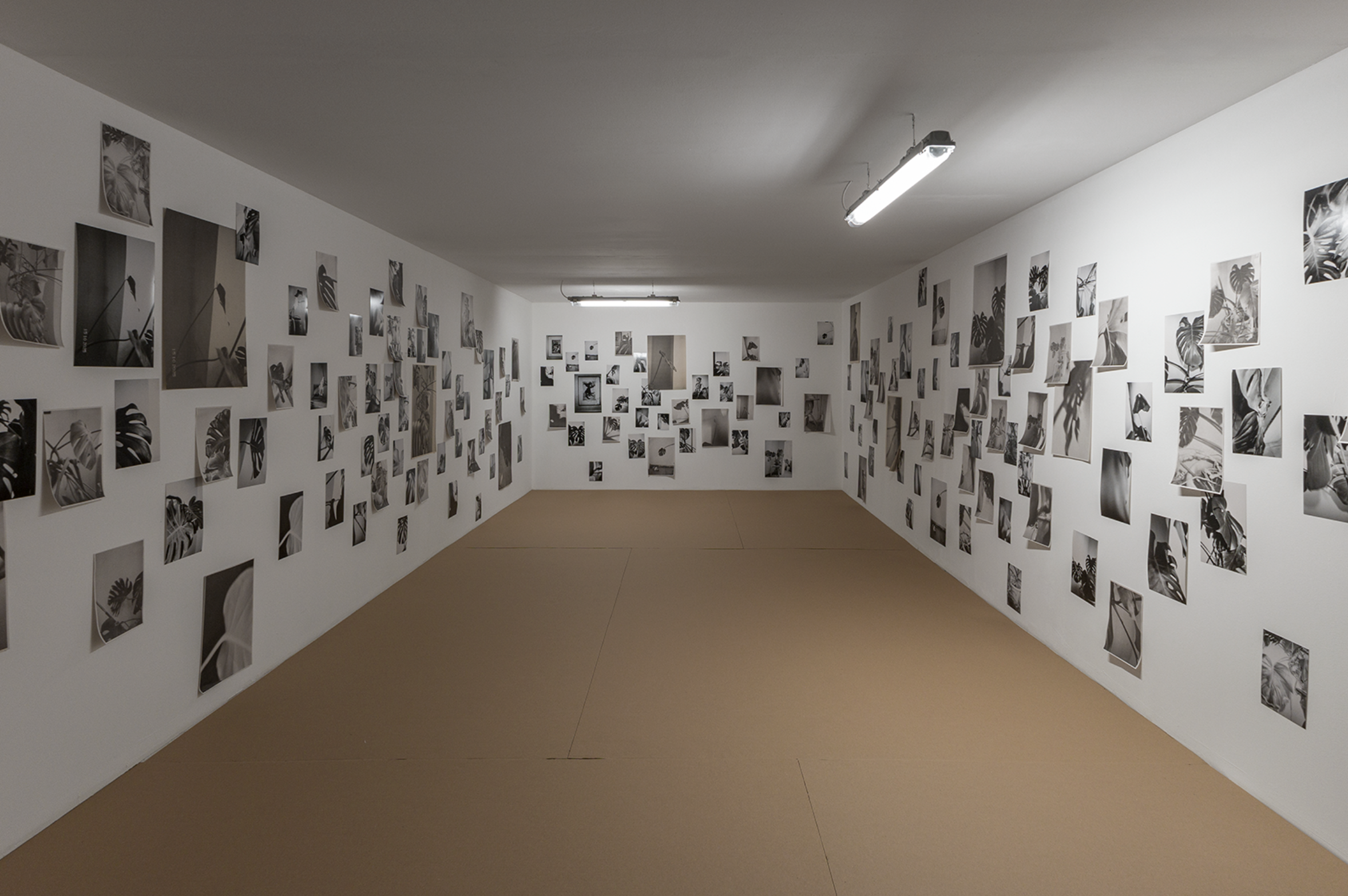
Ian Waelder, A Room for 1993–2026, installation view, Gesellschaft für Aktuelle Kunst (GAK), 2026. Courtesy of the artist.
Language itself becomes another material within Waelder's practice. The exhibition's title, Zungen (Tongues), refers to the familiar "tip-of-the-tongue" phenomenon, the frustrating moment when a memory feels within reach yet cannot quite be articulated. This fragile space between remembering and forgetting becomes central to the work, where absence often speaks as powerfully as presence. Rather than offering complete narratives, Waelder constructs environments that encourage viewers to form their own connections between personal memories and shared histories.
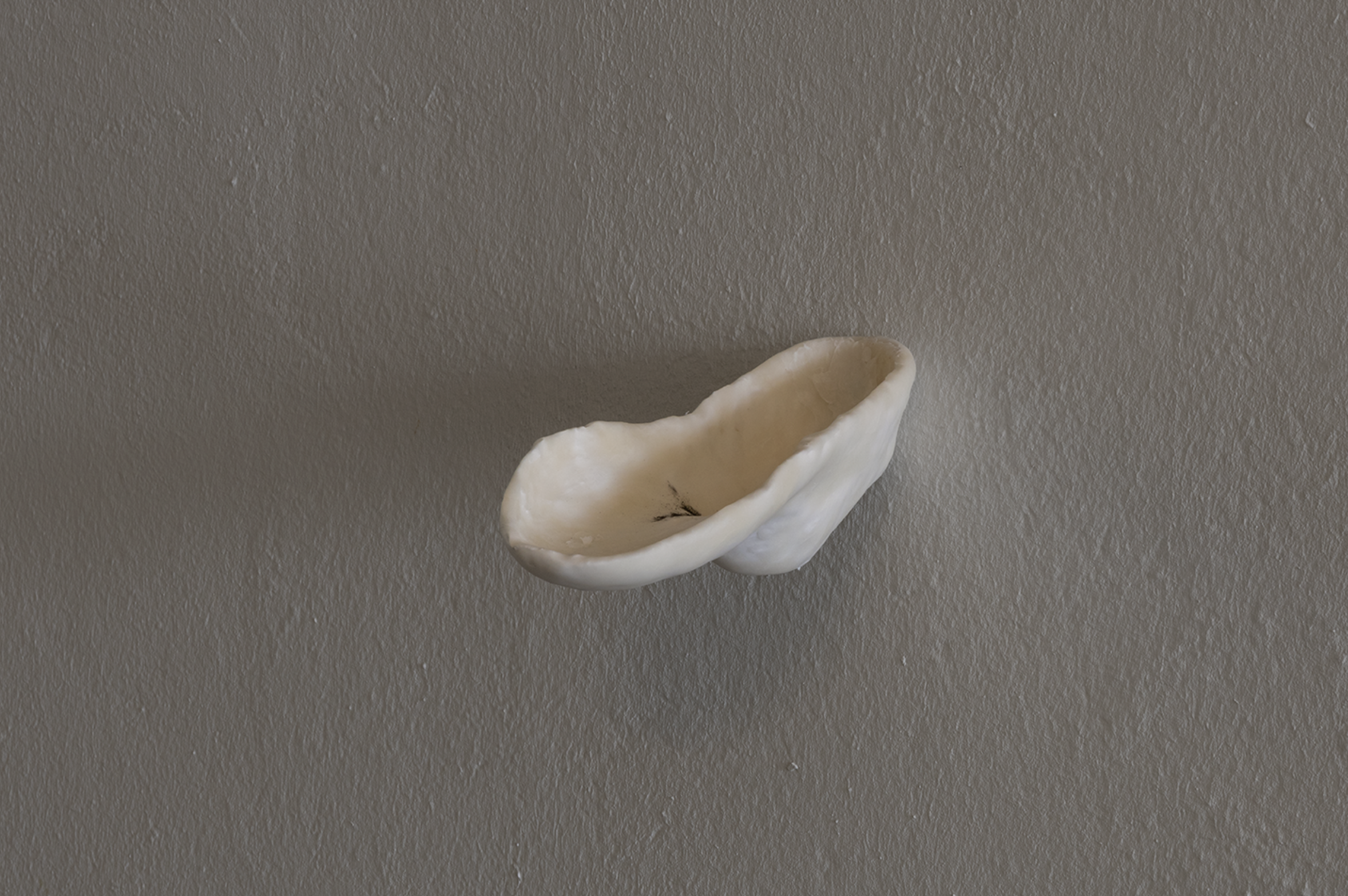
Ian Waelder, Bystanders (Public Ashtray), installation view, Gesellschaft für Aktuelle Kunst (GAK), 2026. Courtesy of the artist.
His practice reflects a growing tendency in contemporary art to shift attention away from spectacle and towards slower, more introspective experiences. Through carefully orchestrated installations, subtle gestures, and everyday materials, Waelder demonstrates how memory exists not only within archives but also within bodies, movements, and seemingly insignificant objects. His work reminds us that the past is rarely preserved intact; instead, it survives through fragments, repetition, and the emotional traces embedded within ordinary life.
Why now?
As contemporary artists increasingly examine questions of identity, memory, and belonging, Ian Waelder Vásquez represents a generation moving beyond traditional archives towards embodied and spatial forms of remembrance. His work demonstrates how installation can transform familiar objects into emotional and historical carriers, encouraging audiences to consider not only what we remember, but how memory itself is physically experienced.
Biographical information sourced from the artist’s official website.